
Learn more about Design •
Learn more about Design •
Hi! We are Keri Kubota and Darren Wong, alumni of Kailua High School, class of 2008.
We both went to college universities in California, majoring in Graphic Design and currently represent different paths you can take within the Design industry.
We’re excited to share our love for design with you. Scroll down to learn more!

Keri Kubota
Artist & Designer, Entrepreneur
I graduated from Chapman University in Southern California and lived in Orange County for 6 years. In 2014, I moved back home and started my own business creating stickers, apparel & other fun products. I have been freelancing for over 12 years working with clients on Branding, Website Design, Package Design, Social Media Content, and more. I enjoy giving back to various communities through my art such as schools, non-profits, small businesses & other organizations.
I love being able to work from home and make my own schedule, it allows me the flexibility to travel and work from wherever I have my laptop! I’ve been able to work creatively with dream brands such as Hawaiian Airlines, Midori Bikinis, Fighting Eel, and MahinaMade.
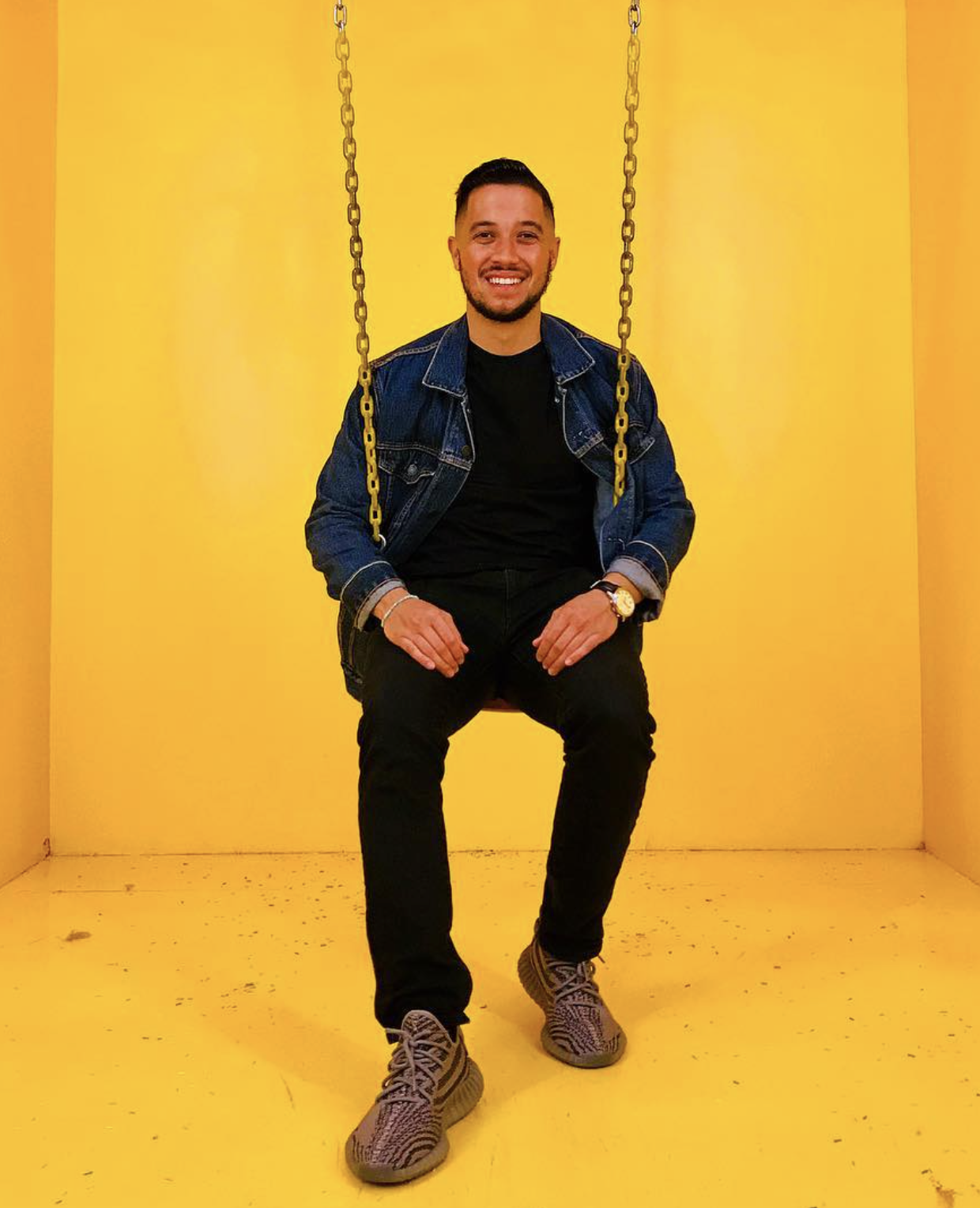
Darren Wong
Principal Designer, Open Table
After graduating from Kailua High School, I attended the University of San Francisco and stayed in the city for 15 years, building up a strong foundation of design experience at companies like Inkling and UserTesting.
Now, I’m back home, working remotely as a Principal Product Designer at OpenTable, where I focus on creating great apps for restaurants. I love being a part of a larger organization like OpenTable that is hyper-focused on helping restaurants. I’m also passionate about helping young, local, budding designers break into the industry and have partnered with companies like Piiku to offer mentorship for new designers.
What is Graphic Design?
Graphic design is the art and practice of visually communicating a message through images, typography, color, and layout. It combines creativity and strategy to create designs that inform, inspire, and engage.
From branding and advertising to digital media and packaging, Design plays a key role in shaping how people see and experience a brand or idea. Good design not only looks appealing but also tells a story, builds connection, and inspires action.
Click the “+” to expand and learn more about each topic.
Preparation
-
Graphic / Digital Design
Photography
Yearbook
Computer Graphics
Web Design
Art / Illustration
Marketing
Business -
Depending on the type of Graphic Design you are interested in, you may need the following skills.
TECHNICAL
Adobe Creative Suite
Time Management
Digital Illustration
Photo Editing
Color Theory
Composition
UX/UI (User experience & interface)GENERAL
Creativity
Visual Imagination
Communication
Collaboration -
Most people earn a bachelor’s degree in Graphic Design, Visual Arts, or Digital Media. These programs teach design principles, color theory, typography, branding, and how to use design software like the Adobe Creative Suite.
Some jobs may accept an associate degree, certificate, or a strong portfolio instead.
It is important to continue learning through online courses or workshops to stay up-to-date with new tools and trends.
-
Graphic Designers are crucial for both small businesses and corporations because they help communicate a brand’s identity, values, and message visually.
Whether you’re interested in freelancing as an entrepreneur or working for an art department in a bigger business, there will always be a need for Designers.
On the job
-
In general, a Graphic Designer is responsible for creating visually appealing and effective designs that communicate the company’s brand, message, and products across digital and print platforms. This role involves working closely with the marketing and creative teams to develop designs that capture attention and inspire action in addition to staying current on design trends, tools, and best practices.
-
When working for a company or on a team of creatives, you may start as an intern or a junior Designer and then advance to:
Senior Graphic Designer: Take on larger creative projects, lead design initiatives, and mentor junior designers.
Art Director or Creative Director: Oversee brand visuals, manage creative teams, and shape the company’s overall design strategy.
Brand Designer or Brand Strategist: Focus on building and maintaining brand identity, messaging, and visual storytelling.
UI/UX Designer: Transition into digital design, creating user-friendly websites, apps, and interfaces.
Marketing or Social Media Designer: Specialize in digital marketing visuals, campaign design, and content creation.
If choosing to work independently, you may move to:Freelance or Agency Work: Build a personal client base or work with diverse brands to expand creative experience.
Business Ownership: Start a design studio or freelance business, offering branding, illustration, or digital design services.
Further Education or Specialization: Learn motion graphics, animation, photography, or web development to broaden creative skills.
-
The best part of being a Graphic Designer is the ability to exercise your creative expression! It is so fun getting to execute ideas, bring them to life, and then seeing them out & about in the real world. The creative process is different with every project and you learn how to collaborate with different types of people.
The not so fun part: not everyone will love your designs, and you’ll often have to revise work based on client or team feedback. Sometimes it can be tough to stay inspired and original, especially when working on multiple projects back-to-back. Projects often have quick turnarounds, which can be stressful and require strong time management.
-
Graphic designers typically work in creative, collaborative settings whether employed by design studios, advertising agencies, marketing departments, or working independently as freelancers. Most work is done on a computer using design softwares, often in an office or home studio environment.
Designers often collaborate with clients, marketing teams, writers, and photographers to complete projects. Depending on deadlines, the pace can vary from steady to fast-paced, especially when multiple projects overlap.
Many graphic designers enjoy a flexible schedule, especially freelancers, and some positions allow remote or hybrid work.
-
Creativity and Innovation: Consistently bring fresh ideas and original solutions to design challenges.
Attention to Detail: Ensure all designs are polished, accurate, and visually cohesive.
Time Management: Meet deadlines and manage multiple projects efficiently without compromising quality.
Professionalism: Communicate clearly with clients and colleagues while handling feedback respectfully.
Adaptability & Flexibility: Be open to revisions, new design trends, and evolving technology.
Collaboration: Work well with teams across marketing, content, and product development to achieve shared goals.
Accountability: Take responsibility for your work, from concept to final delivery, and maintain reliability in all projects.
Payments & Benefits
-
If you work as a entrepreneur or freelancer, you set your own rates. Below are the average numbers for Designers in Hawai’i who work for agencies.
Starting Pay
Statewide Average: Approximately $26.60/hr or $54,098 annually for entry-level positions in Honolulu.
Entry-level graphic designers in Honolulu earn between $19.28 and $30.19/hr, with top earners reaching up to $41.60/hr
Salary Range by experience
Entry-Level (0–2 years): Starting at approximately $33,150 per year.
Mid-Level (3–5 years): Around $50,000 to $60,000 annually.
Senior-Level (5+ years): Up to $79,470 per year
-
Health & Wellness Benefits:
Medical, dental, and vision insurance
Mental health support or counseling programs
Gym memberships or wellness stipends (some companies)
Retirement & Financial Benefits:
401(k) or similar retirement plans with employer match
Paid time off (vacation, sick days, holidays)
Performance bonuses or profit-sharing opportunities
Professional Growth & Learning:
Access to training programs, workshops, or conferences
Tuition reimbursement for design or related courses
Opportunities for certifications in software or specialized design skills
Work-Life Flexibility:
Flexible hours or remote work options
Hybrid work arrangements
Casual or creative work environments
Other Perks:
Paid parental leave
Company-sponsored events or team-building activities
Discounts on software, products, or services
Want to know more?
Have any questions or want to chat more about Graphic Design? Feel free to reach out to us by filling out the form below!